Navajo Nation:
Fox, T. (2019, September1). Wells Fargo pays Navajo Nation $6.5 million over predatory business tactics.
Corpwatch.
The broader background for this is the Wells Fargo bogus accounts scandal, but THIS inquiry is specifically what WF did targeting the Navajo and others, primarily minorities, lacking English language skills.
Wells Fargo Consumer Issues
Introduction
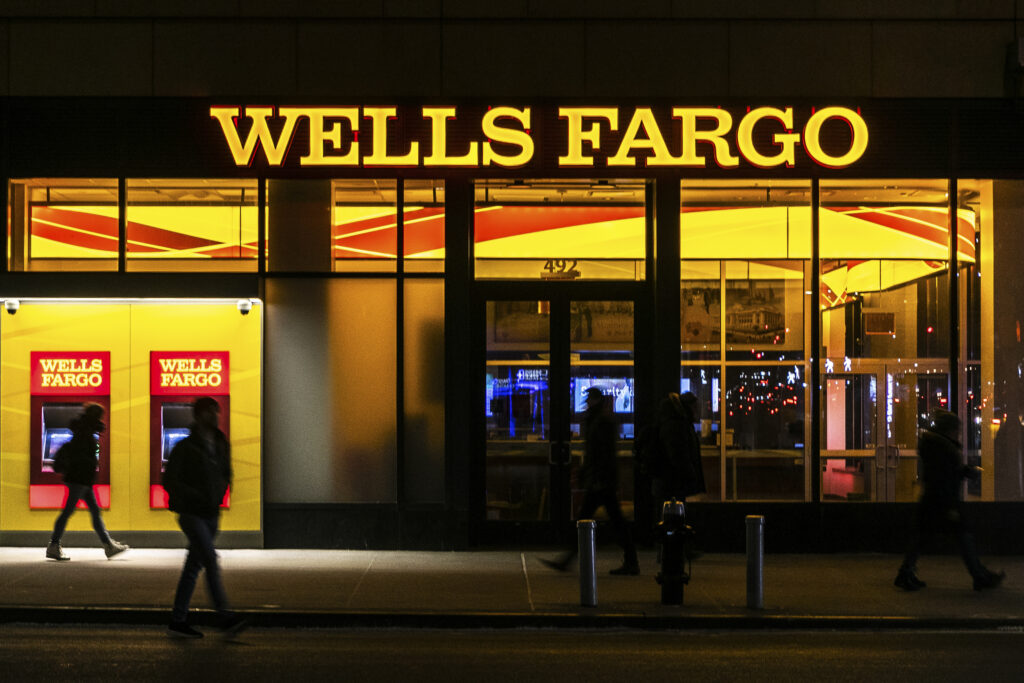
The company that I have chosen is Wells Fargo, and the topic is Wells Fargo’s cross-selling scandal. Wells Fargo was involved in a cross-selling scandal, during which its employees targeted the Navajo and other minority groups who lacked English language skills.
Wells Fargo Company Background
Wells Fargo is an American company that deals with financial services. It was founded in 1852Williams Fargo and Henry Wells. It offers various financial services, including loans and credit, banking and credit cards, wealth management, investing and retirement, and rewards and benefits. Its headquarters are in San Francisco, California, and it has offices throughout the USA and overseas countries. As of 2018, Wells Fargo has 8050 branches spread globally and 258 700 employees. Its total assets, as of 2019, amounted to $ 1.927 trillion. It is the fourth largest bank in the USA in terms of total assets and was ranked the 7th biggest public company by Forbes Magazine Global in 2016.
Facts of the Scandal
In 2016, Wells Fargo was found to be involved in a cross-selling scandal in which its employees opened customer accounts without authorization. The employees sold additional products to the customers to earn more income and achieve the targets they were forced to achieve. In a project referred to as Gr-eight Initiative, employees were needed to sell eight products to customers and were given outrageous daily targets to meet.
Consequently, employees resorted to illegal practices, such as creating fake checking and savings accounts for their customers (Tayan, 2019). They ordered preapproved credit cards for customers without consent or approval, and some used their details to open accounts for customers and prevent them from realizing the fraud.
The most affected in the scandal was the Navajo Nation, which spans Arizona, Utah, and New Mexico, an area mainly inhabited by the Native Americans and other minorities. Wells Fargo representatives were accused of taking advantage of the fact that most natives did not speak English to enroll them for services they did not need or want.
Legal Issues and Regulatory Environment
Customer Financial Protection Act
The Customer Financial Protection Act of 2010 gave the Consumer Financial Protection Bureau authority to protect customers from unscrupulous, abusive, and unfair practices by firms that offer financial services. The Bureau ensures that there is transparency and fairness in lending and borrowing. Another Act that works together with the Consumer Financial Protection Act is the Dodd-Frank Act. The Dodd-Frank Wall Street Reform and Consumer Protection Act is the principal regulatory that applies to the Wells Fargo scandal (Ming, 2011). It is in charge of punishing financial institutions that violate consumer protection laws and engage in unfair and deceptive practices. Consumer Finance Protection Bureau (CFFB) enforces the Dodd-Frank Wall Street Reform. Concerning Wells Fargo, the Bureau found the bank to have engaged in unlawful practices, including opening deposit accounts without authorization, applying for credit cards and transferring funds illegally, and using fake personal details to recruit customers for various financial services.
Federal Trade Act
Another Act that Wells Fargo violated is the Federal Trade Commission Act. The Federal Trade Commission Act also protects consumers from being preyed upon by firms. It protects consumers from any fraudulent practices in the marketplace. Section 5 of the Federal Trade Act outlines that customers should not be deceived or put at risk through unfair and fraudulent acts. The Navajo Nation residents trusted the bank with their personal information and finances, and the bank took advantage and preyed on them and their low understanding of the English language (Ming, 2011). Hence, Wells Fargo violated section 5 of the Federal Trade Act. The bank deceived customers and sold them products fraudulently that affected the residents negatively.
The Gramm-Leach-Bliley Act (GBLA)
The GBLA, also known as the financial modernization act of 1999, requires all the financial institutions in the U.S.A to explain how they handle and protect customer’s information. It restricts how banks and other financial institutions share consumer’s information with other parties. Wells Fargo’s employees violated this act since they misused customer’s information and used them to open accounts without their authorization.
Ethical Dilemma
Wells Fargo presents an ethical dilemma where it is trying to satisfy the interests of one stakeholder at the expense of another. While trying to ensure they maximize the shareholder’s wealth, they compromised the interest of the consumers.
Ethical Frameworks
Ethical Egoism
The principal ethical framework that applies in the Wells Fargo scandal is ethical egoism. Ethical egoism is a normative ethical framework which states that individuals ought to act in their self-interest and that no one should pursue another person’s interests. This ethical framework was introduced by Henry Sidgwick, a philosopher, in 1874. According to him, all actions should be for one’s interests, and that if each person pursues their interests, it will promote the general good (Bose, 2012). When applied in business, this framework implies that one should make money in any way, regardless of the consequences of other people’s actions. According to Adam Smith, advancing one’s interests will benefit society and improve production and goods distribution effectiveness.
This theory explains the actions of the management and employees of Wells Fargo. Ethical egoism must have been applied in making decisions that resulted in the scandal. Each of them acted in their interests and did not care about other people’s interests and the long-term effects. The management was concerned about getting more revenues through the sale of more financial products. Even after realizing what the employees were doing and making sales through aggressive tactics, they did not stop them since they were after protecting their interests.
Similarly, the employees engaged in these fraudulent and predatory practices, which included stalking members of the Navajo community during local events since they were trying to receive incentives. This theory will support their actions in that they were trying to meet their daily targets and avoid being sacked or face disciplinary actions (Cavico & Mujtaba, 2017). Each person involved in the scandal was trying to protect their interests. However, this doctrine encourages individuals to take a long-term perspective that will maximize their self-interest and be willing to undergo challenges in the short term for the greater good. Smith implied that should be selfish but in an egoistic sense, and do that rationally and prudently. Nonetheless, the Wells Fargo management and the employees did not try making money rationally or prudently.
Utilitarianism
Utilitarianism theory is a doctrine that advocates that one should do what promotes happiness and pleasure for many people and minimize pain. If Wells Fargo had applied a utilitarianism approach in making decisions, the scandal could have been avoided. They were only focused on their interests and not on the majority. Under the utilitarian perspective, the management would have engaged in actions that would have ensured that most stakeholders. In the end, they created unhappiness for the shareholders, consumers, employees, and society. The Navajo Nation, among other minority groups, was affected significantly. The employees also lost their jobs, and some faced charges of fraud and theft. The CEO, whose idea of cross-selling resulted in the scandal, was affected. If they had applied the utilitarianism theory, they would have found ways to maximize shareholders’ profits and wealth without hurting customers. The method could have been slow and costly, but in the long term, it could have resulted in the happiness of everyone, and fewer people would have been hurt.
Additional Legal Topics
Securities Fraud
Securities fraud refers to any activity that breaches any federal and state laws concerning to trading of securities. Examples of securities fraud include insider trading, misrepresentation, and insider trading. The Securities Exchange Act of 1934 is an act created to respond to such fraud. Under the SEA, the Securities Exchange Commission oversees any illegalities related to selling unregistered stock, disclosing wring information, and manipulating investors.
Wells Fargo violated several sections of the Securities Exchange Act. The first is section 10 (b), which prohibits the “ use or employ, in connection with the purchase or sale of any security” a “manipulative or deceptive device or contrivance in contravention of such rules and regulations as the [SEC] may prescribe” (Tracy & MacChesney, 1934). Wells Fargo held back information concerning its business strategy. It failed to disclose that the cross-selling strategy was a fraud. The illusion of cross-selling misguided investors into thinking the company’s stock was performing well and was likely to rise in the future. They inflated the cross-selling metrics with fake checking and savings accounts.
Another section applicable to the Wells Fargo scandal in the SEA is section 20, which states that “Every person who, directly or indirectly, controls any person liable under any provision of this chapter or any rule or regulation there under shall also be liable jointly and severally with and to the same extent as such controlled person to any person to whom such controlled person is liable unless the controlling person acted in good faith and did not directly or indirectly induce the act or acts constituting the violation or cause of action” (Tracy & MacChesney, 1934). Wells Fargo allowed its employees to engage in unscrupulous practices and did not stop them.
Employment Law
Health and Safety at Work Act 1974
The Health and Safety at Work Act of 1974 states the various duties of employers towards their employees. It requires employers to protect the health and safety of the workers at the workplace. Wells Fargo forced its employees into engaging in fraudulent practices by giving them unrealistic targets and goals. They were required to sell eight products to one customer in the cross-selling strategy and were expected to sell at least 20 products per day. Such demands affected the mental and physical health of the employees. The bank compromised the health of its employees by putting pressure on them. Some employees reported having drunk sanitizer to cope with stress. Any attempts to complain or raise issues regarding the company’s fraud resulted in being fired or no feedback at all.
Whistleblower Act
Whistleblower act protects employees from retaliation when they report any wrongful doing by their employer. Many employees who tried exposing the practice were fired. Additionally, these employees had difficulty finding work after being fired since the company issued U5 documents to employees being sacked. These documents were defamatory and indicated that the managers had been involved in the scandal (Bosupeng, 2017). Wells Fargo fired the employees who tried exposing the fraud going on in the company. By firing the whistleblowers, Wells Fargo breached the Whistleblower Act.
Criminal Law
There is also criminal law applicable to Wells Fargo and its deception of the Navajo Nation. These laws include theft-state law and identity theft.
Identity Theft
Identity theft is considered criminal and happens when a person steals another person’s identification or other personal information and accesses one’s financial resources. Wells Fargo employees admitted to having used customer’s personal information and opened fake checking and savings accounts to meet their daily and weekly targets.
Theft-State Law
A theft crime is considered a felony, depending on the money stolen, and can occur in many ways. One of the ways in which theft occurred in the Wells Fargo scandal and the deception of the Navajo nation and other minorities is through forgery. Wells Fargo’s employees altered customer’s documents without their authorization or knowledge and personably benefitted from the act.
Recommendations
One of the lessons learned from the Wells Fargo scandal that involved the Navajo Nation is that companies should highlight corporate social responsibility. They should consider that actions have consequences and that consumers are an integral part of an organization. Thus, they should always put the interests of consumers first or in line with other stakeholders. The actions of a company should be ethical and should not take advantage of vulnerable consumers.
Additionally, banks and other companies should ensure that all strategies set to be implemented are adequately evaluated. Leaders should also evaluate existing sales practices and incentives to ensure that they comply with the relevant state and federal laws. These sales practices and strategies should align with the objectives and mission, and principles of corporate governance.
Besides, leaders should ensure that they promote an ethical culture among their employees. Ethics should be incorporated in the recruitment, training, and firing of employees; this way, they are likely to avoid fraudulent or predatory practices against customers or the organization. Leaders and managers should lead by example by engaging in ethical practices to establish an ethical culture within their organizations and prohibit any illegal or unfair practices.
From the lawsuit against Wells Fargo by the Navajo Nation and other groups, companies should adhere to legal and regulatory acts (Matt 2021). The company faced several lawsuits and fines, on top of losing its long-built .reputation. Before engaging in any sales tactics, companies should ascertain whether they adhere to the laws and regulations or not.
Conclusion
Ultimately, Wells Fargo was involved in a lawsuit by the Navajo Nation and other minority groups amidst a cross-selling scandal of 2016. The bank was accused of engaging in unfair and predatory practices. They scammed senior members of the Navajo Nation who did not speak English and sold them fake financial products that they did not need and resulted in a tremendous financial loss for the victims. There are various consumer protection laws and regulations violated by Wells Fargo in the scandal. Nevertheless, it offers a lesson for the bank and other companies that they should be ethical in their dealings.
References
Bose, U. (2012). An ethical framework in information systems decision making using normative theories of business ethics. Ethics and Information Technology, 14(1), 17-26.
Bosupeng, M. (2017). Whistle Blowing: What Do Contemporary Ethical Theories Say?. Studies in Business and Economics, 12(1), 19-28.
Cavico, F. J., & Mujtaba, B. G. (2017). Wells Fargo’s fake accounts scandal and its legal and ethical implications for management. SAM Advanced Management Journal, 82(2),
Matt Egan, C. (2021). Wells Fargo settles allegations of shady sales tactics against the Navajo Nation. Retrieved 11 March 2021, from https://edition.cnn.com/2019/08/23/business/wells-fargo-navajo-nation-lawsuit-settlement/index.html
Ming, G. A. O. (2011). Study on Financial Consumer Protection and Legislative Practice in the USA [J]. Credit Reference, 2.
Tayan, B. (2019). The Wells Fargo cross-selling scandal. Rock Center for Corporate Governance at Stanford University Closer Look Series: Topics, Issues and Controversies in Corporate Governance No. CGRP-62 Version, 2, 17-1.
Tracy, J. E., & MacChesney, A. B. (1934). The Securities Exchange Act of 1934. Michigan Law Review, 32(8), 1025-1068.
As a renowned provider of the best writing services, we have selected unique features which we offer to our customers as their guarantees that will make your user experience stress-free.
Unlike other companies, our money-back guarantee ensures the safety of our customers' money. For whatever reason, the customer may request a refund; our support team assesses the ground on which the refund is requested and processes it instantly. However, our customers are lucky as they have the least chances to experience this as we are always prepared to serve you with the best.
Plagiarism is the worst academic offense that is highly punishable by all educational institutions. It's for this reason that Peachy Tutors does not condone any plagiarism. We use advanced plagiarism detection software that ensures there are no chances of similarity on your papers.
Sometimes your professor may be a little bit stubborn and needs some changes made on your paper, or you might need some customization done. All at your service, we will work on your revision till you are satisfied with the quality of work. All for Free!
We take our client's confidentiality as our highest priority; thus, we never share our client's information with third parties. Our company uses the standard encryption technology to store data and only uses trusted payment gateways.
Anytime you order your paper with us, be assured of the paper quality. Our tutors are highly skilled in researching and writing quality content that is relevant to the paper instructions and presented professionally. This makes us the best in the industry as our tutors can handle any type of paper despite its complexity.

Recent Comments