Week 4 class 410
The nursing process is a tool that puts knowledge into practice. By utilizing this systematic problem-solving method, nurses can determine the health care needs of an individual and provide personalized care.
Write a paper (1,750-2,000 words) on cancer and approach to care based on the utilization of the nursing process. Include the following in your paper:
You are required to cite to a minimum of four sources to complete this assignment. Sources must be published within the last 5 years and appropriate for the assignment criteria and relevant to nursing practice.
Prepare this assignment according to the guidelines found in the APA Style Guide, located in the Student Success Center. An abstract is not required.
This assignment uses a rubric. Please review the rubric prior to beginning the assignment to become familiar with the expectations for successful completion.
You are required to submit this assignment to LopesWrite. Refer to the LopesWrite Technical Support articles for assistance.
Benchmark Information
This benchmark assignment assesses the following programmatic competencies:
RN-BSN
2.1: Incorporate liberal arts and science studies into nursing knowledge.
3.1 Utilize the nursing process to provide safe and effective care for patients across the life span.
Cancer
Describe the diagnosis
In most cases, an expert diagnoses cancer by examining tissue or cell samples under a microscope. In other cases, the tests run on the cell’s DNA, proteins and RNA can help doctors determine cancer presence (Marrugo-Ramirez, Mir & Samitier, 2018). One needs to have these test results because they are useful when selecting the best treatment options for cancer. If a person has a screening test result or a symptom that may indicate cancer, a doctor must determine if it is because of cancer or some other cause. There are various procedures for diagnosing cancer, and they may include the following;
Diagnostic Imaging
Imaging is the production of valuable body organs and structural pictures. It is essential in the detection of abnormalities and tumors in the body and in the determination of how effective a treatment is. Over the past years, diagnostic radiology has advanced greatly. It has been so because there has been the development of new techniques and instruments that are better in detecting cancer. These developments also help in preventing patients from undergoing surgery. There are different types of diagnostic imaging.
Emission imaging occurs when a scanner detects magnetic energy or nuclear so that it is analyzed by a computer to image the organ the doctor examines.
MRI
An MRI uses radio waves and an extremely powerful magnet to take a person’s body pictures in slices. The slices are then used to create detailed images of the person’s inner body. It can show the existing differences between unhealthy and healthy tissue.
Biopsy
In several cases, doctors need to do a biopsy on their patients for them to diagnose cancer. It is a procedure where the doctor removes tissue samples. A pathologist then takes the tissue, looks at it under a microscope, and runs some tests to determine if it has cancer.
Staging of Cancer
Staging is the process of establishing how much of the cancer is in the body and which parts of the body it has invaded. Cancer is broken down into stages depending on the severity of cancer at the time (Lydiatt et al., 2017). At stage zero, the cancer is still in place, where it started. At this stage, the cancer is curable because it has not invaded nearby tissues. However, the tumor has to be gotten out through surgery. At stage 1, the cancer is taking root and is now called early-stage cancer. The tumor in stage one has deeply grown in nearby tissues but has not moved to any body parts or lymph nodes. Cancer at stage II and II are big tumors that have grown into nearby tissues, are spreading to lymph nodes but not yet to other body parts. In the final stage (IV), the cancer is advanced and spread to significant body parts. Doctors use information about the stages of cancer to come up with efficient treatment plans for their patients. If cancer is detected early, depending on cancer, a patient can be cured.
Describe at least three cancer complications, the side effects of treatment, and methods to lessen physical and psychological effects.
Complications of cancer
Cancer and the treatment plan associated with cancer is often complex for the patient. Cancer treatment and the medications involved come with a lot of pain to the patient. Pain becomes almost a normal thing for cancer patients because it complicates nerves. After pain, fatigue is the other complication often experienced by cancer patients. Fatigue is usually due to chemotherapy treatments and radiation therapy sessions. The chemotherapy and radiation systems affect other body cells on top of the targeted cancer cells. Another complication associated with cancer is the loss of weight for cancer patients. The cancer treatment plans are overwhelming for the patients, and most of them have lost a significant amount of weight. Another reason for weight loss is cancer itself. In an attempt to fight the cancer cells, the body produces cytokines, which are potential causes of weight loss. Even after cure, cancer survivors still stand a chance of the cancer cells recurring. To avoid the recurrence of these cells, often screening and check-ups are recommended for cancer survivors.
Side Effects of Cancer Treatment
Chemotherapy drugs are strong and are capable of causing physical side effects. On the other hand, radiation therapy can harm a healthy cell while targeting the cancer tumor. It is observed that cancer patients are prone to contracting various infections, and they are not easy to treat. On top of that, cancer and cancer medications mess with fertility and sex drive. Far from physical effects, cancer patients are usually described as individuals with emotional imbalance. Having to fight cancer can bring about uncertainty, disbelief, anger, depression, and vulnerability. Cancer medication is also often associated with hair loss, vomiting, diarrhea, blood clots, and lymphedema. Cases of hair loss, for example, often bring a sense of not belonging to the patient and reduce the confidence levels.
Methods to Lessen Physical and Psychological Effects
The psychological effects of cancer can be handled by engaging the patients in therapy talks and counseling. Above all, cancer patients want to feel like they belong and are accepted, and therefore social groups tend to be very helpful when combined with counseling sessions. Exercising can take the mind away from the emotions, and the patient practicing meditation and stress management approaches is an added advantage. When the suggested approaches do not work, medication for stress, depression or other emotional disorders can be involved. To help with the physical effects calls for changing lifestyles. Engaging in physical exercises helps relieve effects like fatigue. The patient should be aware of how much exercise is not too much for them. Seeking the help of a physical therapist or personal trainer for guidance is also another option for fixing cancer’s physical effects.
Discuss what factors contribute to the yearly incidence and mortality rates of various cancers in Americans.
Although the direct causes of cancer are not clear, the factors that increase cancer risks are defined. Primary risk factors to incidence and mortality of cancer include obesity, physical inactivity, tobacco use, poor diet, alcohol consumption, and sexual practices. Strong evidence is links lung cancer to the use of tobacco. It is observed that more than 80% of lung cancer cases are those of tobacco smokers (Moyer, 2014). Lung cancer’s likeliness in a patient depends on the duration of smoking, deepness of inhalation of the smoke and how many cigarettes per day influence. Being physically active and maintaining a healthy weight is important in minimizing the risk of cancer. Obesity is a risk factor for various types of cancer, including breast, liver, colon, and kidney cancer. Poor eating habits and poor dieting are independent risk factors for cancer and still the main causes of obesity.
Explain how the American Cancer Society (ACS) might provide education and support. What ACS services would you recommend, and why?
American Cancer Society is a community–based, nationwide and voluntary health organization that fully dedicates itself to cancer elimination as a leading health problem. With its many supporters, ACS commits helping individuals stay well and getting better by fighting back and finding cancer cures. The ACS offers free information for everyone who seeks it. They have a website, but they also have a telephone number that those who need support can use for contacting them if they have inquiries like cancer types and the best treatment options. They provide patients with information to patients that can help them from the diagnosis beginning to the recovery they have after treatment (ACS, 2015). Apart from these, ACS provides patients with the various ways they can make their treatment decisions, how they can handle their financial matters, they provide emotional support to those who need and lastly, they provide support by teaching patients the various ways they can use to cope with the side effects of cancer and chemo. The service I would recommend most is the Patient Navigation Program. I would recommend this program because the program is essential in guiding, informing and supporting cancer patients worldwide through all the steps they take in their journey. If a person finds out, they have cancer, and they do not know what they should do or where they can turn. At this point, they become unsure of what the insurance companies will cover during their treatment, and they will not. However, these people often need someone to talk to, listening to them and someone to support them. Fortunately for them, they have ACS to provide these services and so much more.
Explain how the nursing process is utilized to provide safe and effective care for cancer patients across the life span. Your explanation should include each of the five phases and demonstrate the delivery of holistic and patient-focused care.
The nursing process works with five main steps. It does so as a systematic guide to client-centered care. The steps include diagnosis, planning, assessment, evaluation and implementation.
Assessment
The assessment process involves data collection and critical thinking skills implied by the nurse in charge. It is the first step in delivering patient-centered care. The process may include spiritual, economic, psychological, lifestyle and sociocultural factors. For example, when a nurse is taking care of a cancer patient, they need to assess how they respond to the recommended treatment (Perez et al., 2016). These may include both physical and emotional responses to the treatments, for instance, the patient’s refusal to eat or their directed anger to the staff taking care of her.
Diagnosis
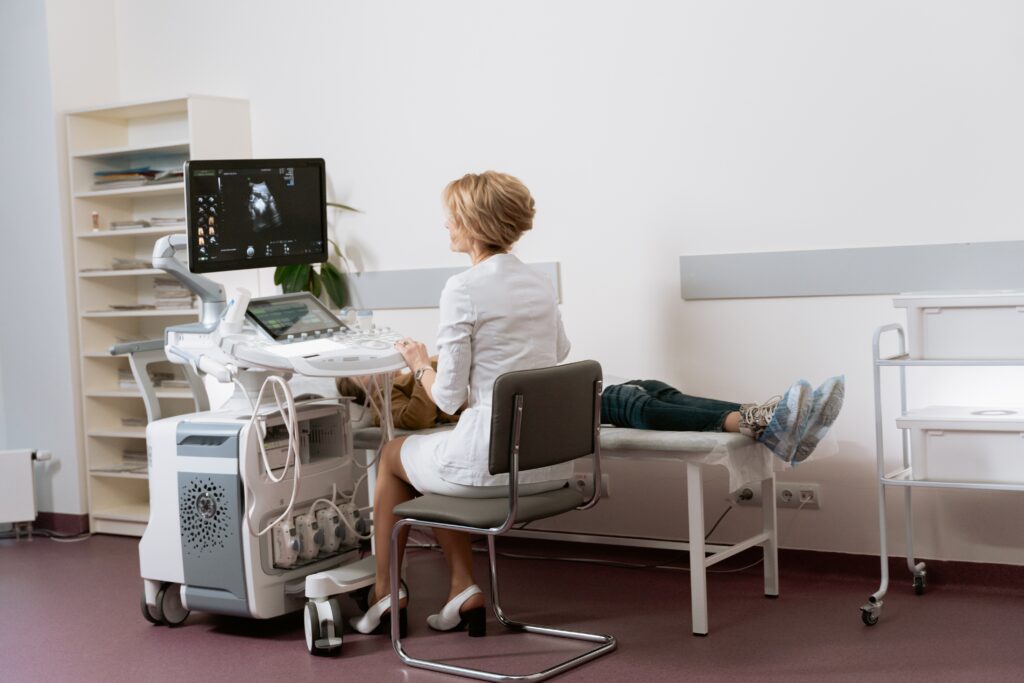
The nursing diagnosis is the nurse’s clinical judgment regarding how the client responds to the potential health conditions. The diagnosis is essential in determining whether the patient is in pain and the effects of pain. These effects may include poor nutrition, family conflicts and anxiety. For a cancer patient, the diagnosis may help determine the pains the patient goes through from the disease.
Planning/Outcomes
Depending on the diagnosis and assessment, the nurse in charge of the patient sets achievable and measurable long and short-term goals for the patient. These may include maintaining adequate and essential nutrition by consuming little food and pin management through the recommended medication. Cancer might stay with a patient for long, and it is the nurse’s responsibility to ensure that their patient gets the proper care. With proper planning, a nurse would know what it is the patient needs to be comfortable with.
Implementation
The care plan provided is essential for the implementation of nursing care. These may include patient care continuity during and after hospitalization and the preparation for the patient’s needs after discharge. For a cancer patient going through chemotherapy, it might be essential for the nurse to implement the best ways to ensure the patient attends all the chemo sessions.
Evaluation
The evaluation process is essential for positive patient outcomes. It is vital to evaluate nursing care continuously. If possible, it is often advisable to modify the care plan as possible. Every cancer patient has a different experience with their cancer. Therefore, one nursing plan may work for one patient, and it might fail to work for the next patient having a similar type of cancer. Therefore, it is essential to evaluate constantly to see to it that the care plan is working for the patient.
Discuss how undergraduate education in liberal arts and science studies contributes to nursing knowledge and prepares nurses to work with patients utilizing the nursing process. Consider mathematics, social and physical sciences, and science studies as an interdisciplinary research area.
A nursing process is a tool used in putting knowledge gained into practice. By using the problem-solving method, nurses are better off to handle the everyday challenges they face in the hospital setting. Having liberal arts and science education is essential in helping nurses think differently. In addition to this, courses like mathematics encourage critical thinking in nursing. It helps them understand quantitative data, which is an essential part of nursing practice (Taylor, Lynn & Bartlett, 2018). Nursing is about looking at the evidence and getting reliable and valid research for what nurses do in practice. Therefore, these courses help them think critically, evaluate situations and ask the crucial question s in their career. These courses are also essential because they prepare and make nurses well-rounded. The main goal of liberal arts is to help students be prepared for success in their careers.
References
American Cancer Society (2015). Find Support & Treatment. Retrieved from http://www.cancer.org/treatment/index
Lydiatt, W. M., Patel, S. G., O’Sullivan, B., Brandwein, M. S., Ridge, J. A., Migliacci, J. C., … & Shah, J. P. (2017). Head and neck cancers—major changes in the American Joint Committee on cancer eighth edition cancer staging manual. CA: a cancer journal for clinicians, 67(2), 122-137.
Marrugo-Ramírez, J., Mir, M., & Samitier, J. (2018). Blood-based cancer biomarkers in liquid biopsy: a promising non-invasive alternative to tissue biopsy. International journal of molecular sciences, 19(10), 2877.
Moyer, V. A. (2014). Screening for lung cancer: US Preventive Services Task Force recommendation statement. Annals of internal medicine, 160(5), 330-338. https://www.acpjournals.org/doi/full/10.7326/M13-2771
Pérez Rivas, F. J., Martín‐Iglesias, S., Pacheco del Cerro, J. L., Minguet Arenas, C., Garcia Lopez, M., & Beamud Lagos, M. (2016). Effectiveness of nursing process use in primary care. International journal of nursing knowledge, 27(1), 43-48.
Taylor, C., Lynn, P., & Bartlett, J. (2018). Fundamentals of nursing: The art and science of person-centered care. Lippincott Williams & Wilkins.
As a renowned provider of the best writing services, we have selected unique features which we offer to our customers as their guarantees that will make your user experience stress-free.
Unlike other companies, our money-back guarantee ensures the safety of our customers' money. For whatever reason, the customer may request a refund; our support team assesses the ground on which the refund is requested and processes it instantly. However, our customers are lucky as they have the least chances to experience this as we are always prepared to serve you with the best.
Plagiarism is the worst academic offense that is highly punishable by all educational institutions. It's for this reason that Peachy Tutors does not condone any plagiarism. We use advanced plagiarism detection software that ensures there are no chances of similarity on your papers.
Sometimes your professor may be a little bit stubborn and needs some changes made on your paper, or you might need some customization done. All at your service, we will work on your revision till you are satisfied with the quality of work. All for Free!
We take our client's confidentiality as our highest priority; thus, we never share our client's information with third parties. Our company uses the standard encryption technology to store data and only uses trusted payment gateways.
Anytime you order your paper with us, be assured of the paper quality. Our tutors are highly skilled in researching and writing quality content that is relevant to the paper instructions and presented professionally. This makes us the best in the industry as our tutors can handle any type of paper despite its complexity.

Recent Comments